Why Kansas State Fired Jerome Tang: AD Cites Player Comments, Program Direction
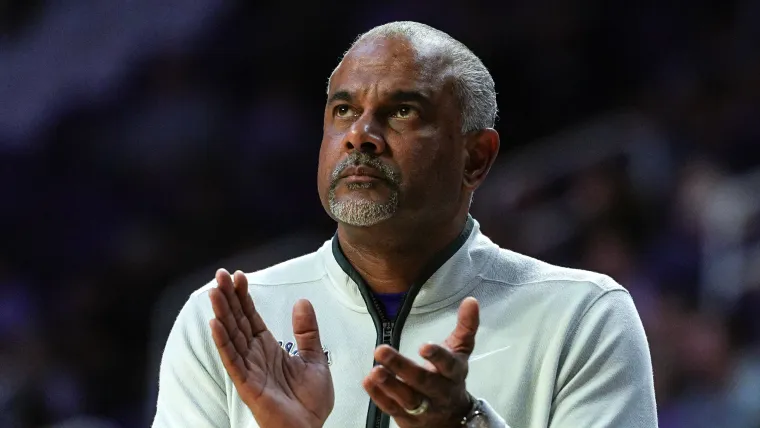
The crimson and purple faithful of Kansas State found themselves grappling with significant news on Sunday, February 15th, as the university announced the firing of head men's basketball coach Jerome Tang. This decisive move came amidst a tumultuous period for the Wildcats, marked by a frustrating six-game losing streak and the specter of a second consecutive losing season under Tang's leadership. While on-court performance certainly played a role, the athletic department's rationale, as articulated by Athletic Director Gene Taylor, delved deeper, citing player comments and the overall direction of the program as critical factors in the decision to part ways. This article explores the multifaceted reasons behind why Kansas State fired Jerome Tang, examining the team's struggles, the coach's controversial remarks, and the university's commitment to its student-athletes.
A Swift Decline: From Elite Eight to Rock Bottom
Jerome Tang’s tenure at Kansas State began with a flourish that ignited the fanbase. In his inaugural season, he led the Wildcats to an impressive 26 wins and an unforgettable run to the Elite Eight, defying expectations and establishing a vibrant new chapter for the program. However, the subsequent seasons failed to build on that momentum, instead spiraling into a period of deep struggle. After that initial success, Tang’s record stood at a concerning 45-47, culminating in an overall mark of 71-57. The 2024-25 season, in particular, proved to be a significant disappointment, as the Wildcats stumbled to a dismal 1-11 record in Big 12 play.
The team's performance seemed to hit its lowest point in a humiliating 91-62 home loss to Cincinnati on February 11th. This wasn't just a bad game; it was the program's third consecutive home defeat by 24 points or more, signaling a systemic issue. The atmosphere in Bramlage Coliseum was palpably frustrated, with some fans even resorting to wearing paper bags over their heads, emblazoned with Tang's substantial buyout figure, as a stark protest. The loud boos from the stands served as a clear indicator of the rapidly eroding goodwill for the coaching staff and the team's direction.
In an effort to galvanize his struggling squad, Tang made a symbolic gesture in the subsequent game against Houston, removing the names from the back of his players' jerseys. While perhaps intended as a message about collective identity over individual recognition, the Wildcats still fell to the Cougars, 78-64, deepening the sense of a program in crisis and highlighting the growing disconnect between the coach's efforts and the team's on-court results.
The "Embarrassing" Rant: A Critical Turning Point
The Cincinnati loss was more than just another defeat; it was the catalyst for a postgame press conference that would ultimately seal Jerome Tang's fate. In a raw, emotionally charged outburst, Tang publicly questioned his players' commitment and worthiness to represent Kansas State. His words, delivered with undeniable frustration, left little to the imagination:
"This was embarrassing. These dudes do not deserve to wear this uniform, and there will be very few of them in it next year. I'm embarrassed for the university, I'm embarrassed for our fans, and our student section. It's just ridiculous... These dudes have to have some pride, man. It means something to wear a K-State uniform. It means something to put on this purple, man. Our university's all about that, and it's why I love this place, man. They don't love this place, so they don't deserve to be here."
While coaches often express frustration, Tang's comments crossed a line in the eyes of the university leadership. Directly challenging his players' pride, commitment, and love for the institution, and openly threatening their future with the program, created an untenable situation. Such a public condemnation of student-athletes, regardless of on-court performance, ran contrary to the supportive environment universities strive to foster.
AD Gene Taylor's Stance: Protecting Student-Athletes and Program Standards
Kansas State Athletic Director Gene Taylor wasted little time addressing the unfolding situation. In the Sunday press conference announcing the decision to fire Tang, Taylor made it clear that the coach's post-Cincinnati remarks were a primary driver. "This was a decision that was made in the best interest of our university and men's basketball program," Taylor stated. "Recent public comments and conduct, in addition to the program’s overall direction, have not aligned with K-State’s standards for supporting student-athletes and representing the university. We wish Coach Tang and his family all the best moving forward.”
Taylor specifically highlighted his deep concern regarding Tang's comments about the student-athletes. "What he said about the student-athletes really concerned me," Taylor reiterated, indicating a clear breach of trust and expected conduct. He also hinted at contractual implications, noting, "There's language in his contract that addresses certain things that could potentially bring embarrassment. Basically, his comments about the student-athletes and the negative reaction to those comments from..." The implication was clear: Tang's public behavior constituted a violation of his agreement with the university.
This brings us to the significant financial aspect of the firing. Tang's contract included a hefty $18.675 million buyout if he were terminated before April 30, 2025. However, K-State is reportedly characterizing Tang's departure as a "for cause" firing. Such a move would allow the Wildcats to potentially avoid paying the substantial buyout figure, framing the termination not solely on performance but on a breach of conduct. This legal strategy underscores the seriousness with which the university viewed Tang's public comments and their potential to cause reputational damage. For a deeper dive into this financial and legal battle, explore how K-State Fights Jerome Tang's $18.6M Buyout: "For Cause" Firing Explained.
Beyond the Court: Lessons for Leadership in College Athletics
The termination of Jerome Tang offers significant takeaways for coaches, athletic directors, and indeed, anyone in a leadership position, particularly within the high-stakes environment of college athletics. The pressures on coaches are immense, encompassing not just game strategy and player development, but also fundraising, public relations, and navigating the complex landscape of NIL (Name, Image, and Likeness) and the transfer portal. This situation highlights several critical areas:
- The Power of Words: In an era of instant media and social scrutiny, a coach's words carry immense weight. Public criticism of players, however justified a coach might feel internally, can have severe repercussions on team morale, recruiting, and the university's public image. It underscores the importance of emotional intelligence and carefully chosen language, even in moments of intense frustration.
- Athlete Well-being Over All Else: Modern athletic departments increasingly prioritize the holistic well-being of their student-athletes. Public shaming or demeaning comments are now widely seen as detrimental to this principle and can lead to a breakdown of trust essential for a healthy team culture. Athletic directors are increasingly empowered—and expected—to step in when these standards are violated.
- Contractual Obligations and Conduct Clauses: This case serves as a stark reminder that coaching contracts often extend beyond wins and losses to include clauses regarding conduct, public comments, and upholding the university's values. These "for cause" provisions are not mere boilerplate; they are tools universities can and will use to protect their brand and their athletes.
- Managing Expectations and Communication: While Tang's first season set a high bar, subsequent struggles led to a disconnect with the fanbase and, eventually, the administration. Effective leadership requires transparent communication, even during difficult periods, to manage expectations and maintain support.
For coaches facing similar pressures, focusing on internal team communication, finding constructive ways to motivate, and understanding the evolving dynamics of player empowerment are more crucial than ever. For athletic directors, the case reinforces the need for clear guidelines, robust support systems for athletes, and decisive action when core institutional values are compromised.
Conclusion
The firing of Jerome Tang by Kansas State is a complex narrative woven from on-court performance, a coach's impassioned outburst, and the university's unwavering commitment to its values and student-athletes. While the immediate success of an Elite Eight run initially endeared Tang to the K-State faithful, the subsequent decline, coupled with controversial public comments, created an untenable situation. Athletic Director Gene Taylor's decisive action underscores that in college athletics, performance alone is not the sole metric of success; the manner in which a program is led, and how its athletes are treated, holds equal, if not greater, weight. As Kansas State now searches for its next head coach, the lessons learned from this challenging period will undoubtedly shape the future direction of its men's basketball program, emphasizing a culture of respect, accountability, and unwavering support for its student-athletes.